The Unexpected Return of Geography

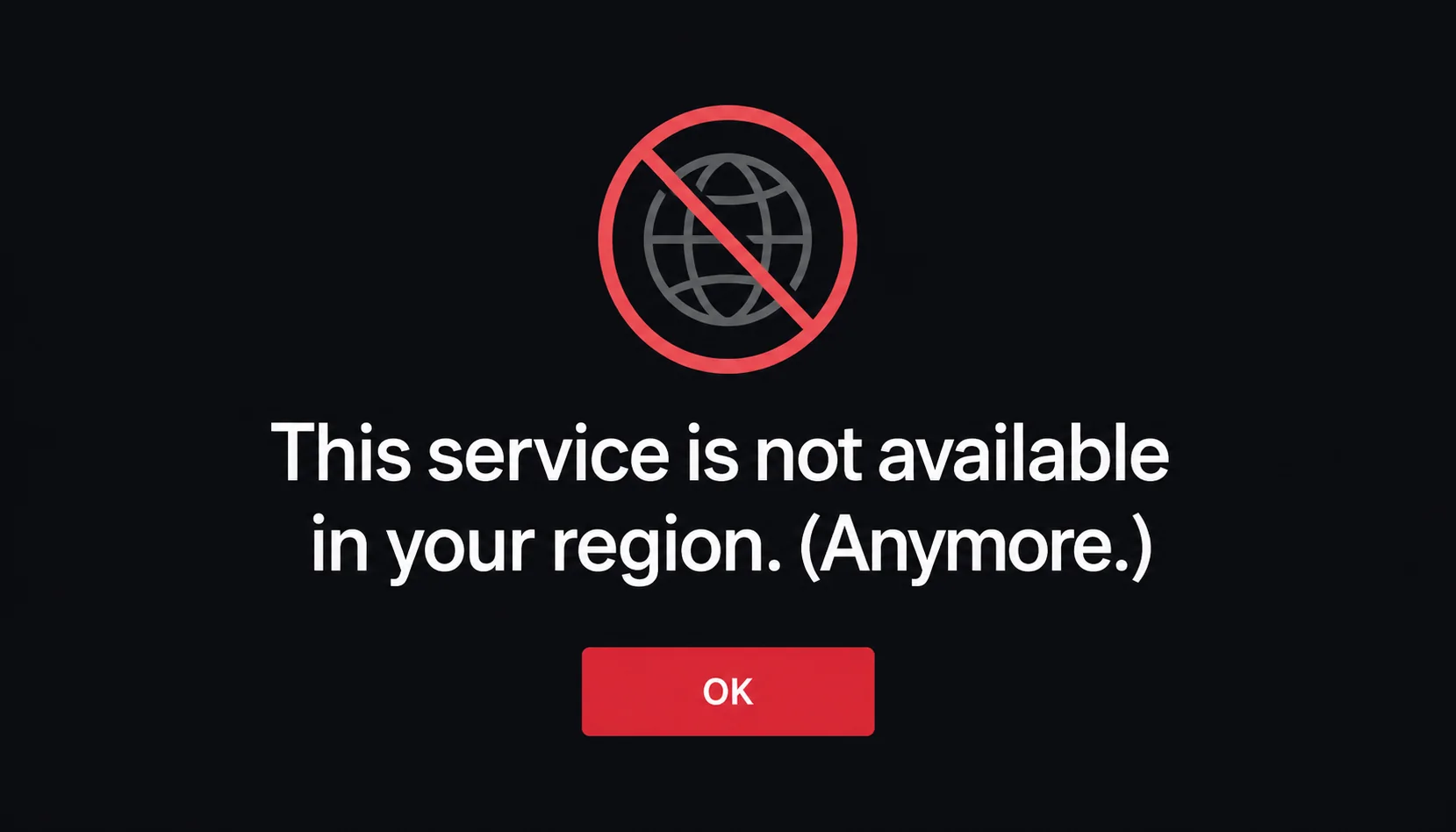
For a long time, digital sovereignty occupied the same corner of the corporate mind as cookie banners and compliance training: probably necessary, mildly irritating, and easy to ignore.
Then it turned out that it actually matters whether a company’s digital infrastructure is subject to the laws and interests of another continent.
Suddenly, questions like who has access to your data, who sets the rules, and who gets to pull the plug no longer seem so academic. And once those questions become relevant, so does location. A surprising number of companies are currently discovering that cloud services still have an address.
Things get interesting when sensitive corporate data flows into systems operated by the same companies building the world’s most advanced AI models. The assumption usually goes something like this: “Of course our data is kept strictly separate.” That may well be true. For many organisations, “trust us” seems to be a sufficiently detailed answer.
Regulation deserves a second look as well. For years, Europe’s approach was mocked as an obstacle to innovation. To be fair, rules are slower than the Wild West. Then again, the Wild West has one notable drawback: sooner or later, somebody gets shot.
This is why the real strength of European providers is often not the technology itself. It is the rather unexciting idea that availability, data sovereignty, and the systems businesses increasingly rely on should not depend on decisions being made elsewhere.
That may not sound revolutionary. But after Europe recently found itself watching one of the year’s most significant AI breakthroughs from the sidelines, the idea suddenly feels remarkably modern: critical infrastructure should perhaps be located where your interests are as well.
./Robert