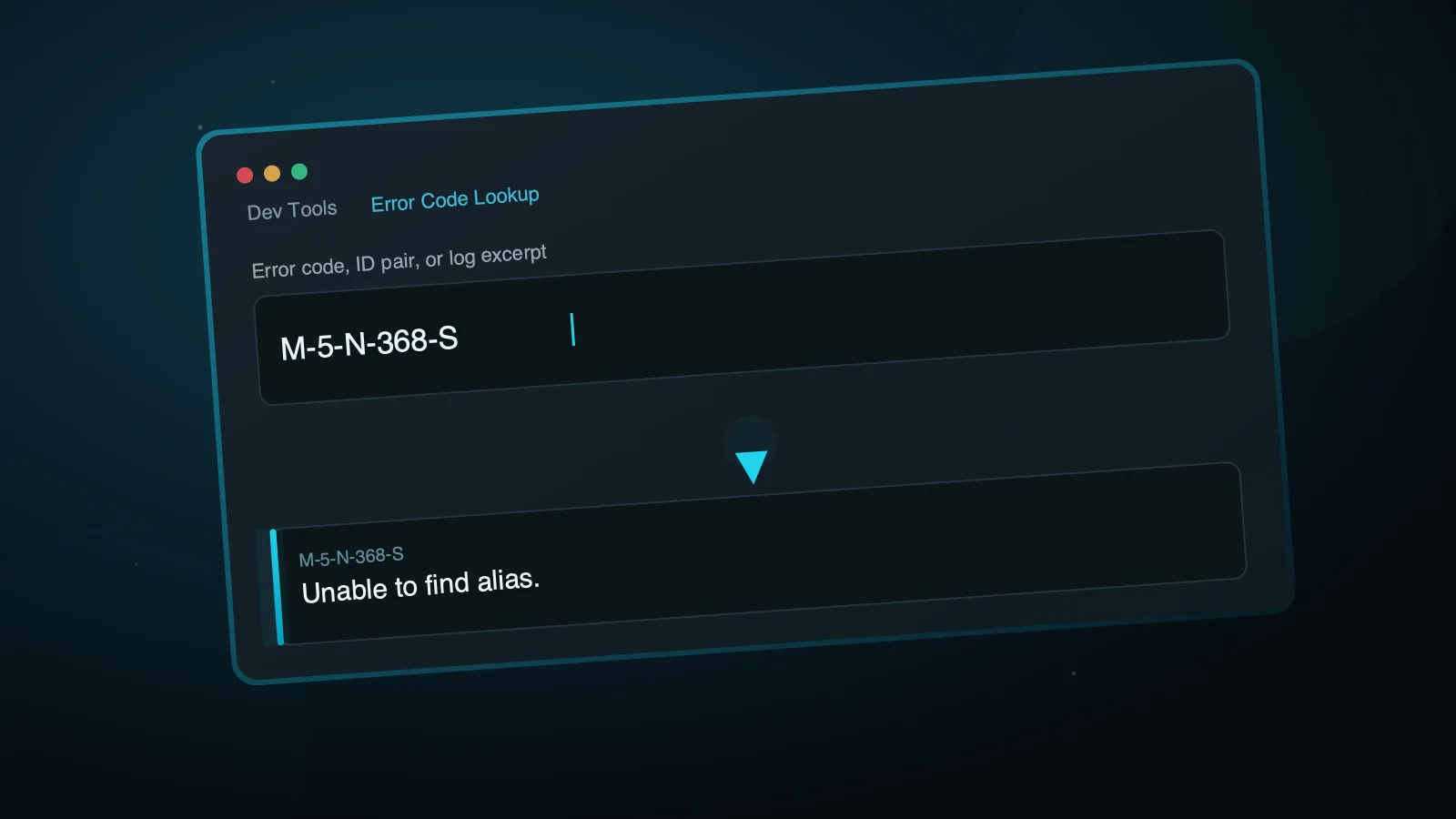
Trace an Error Code with the New Dev Tools

This documentation site now has a Dev Tools section.

This documentation site now has a Dev Tools section.

For a long time, digital sovereignty occupied the same corner of the corporate mind as cookie banners and compliance training: probably necessary, mildly irritating, and easy to ignore.
Then it turned out that it actually matters whether a company’s digital infrastructure is subject to the laws and interests of another continent.

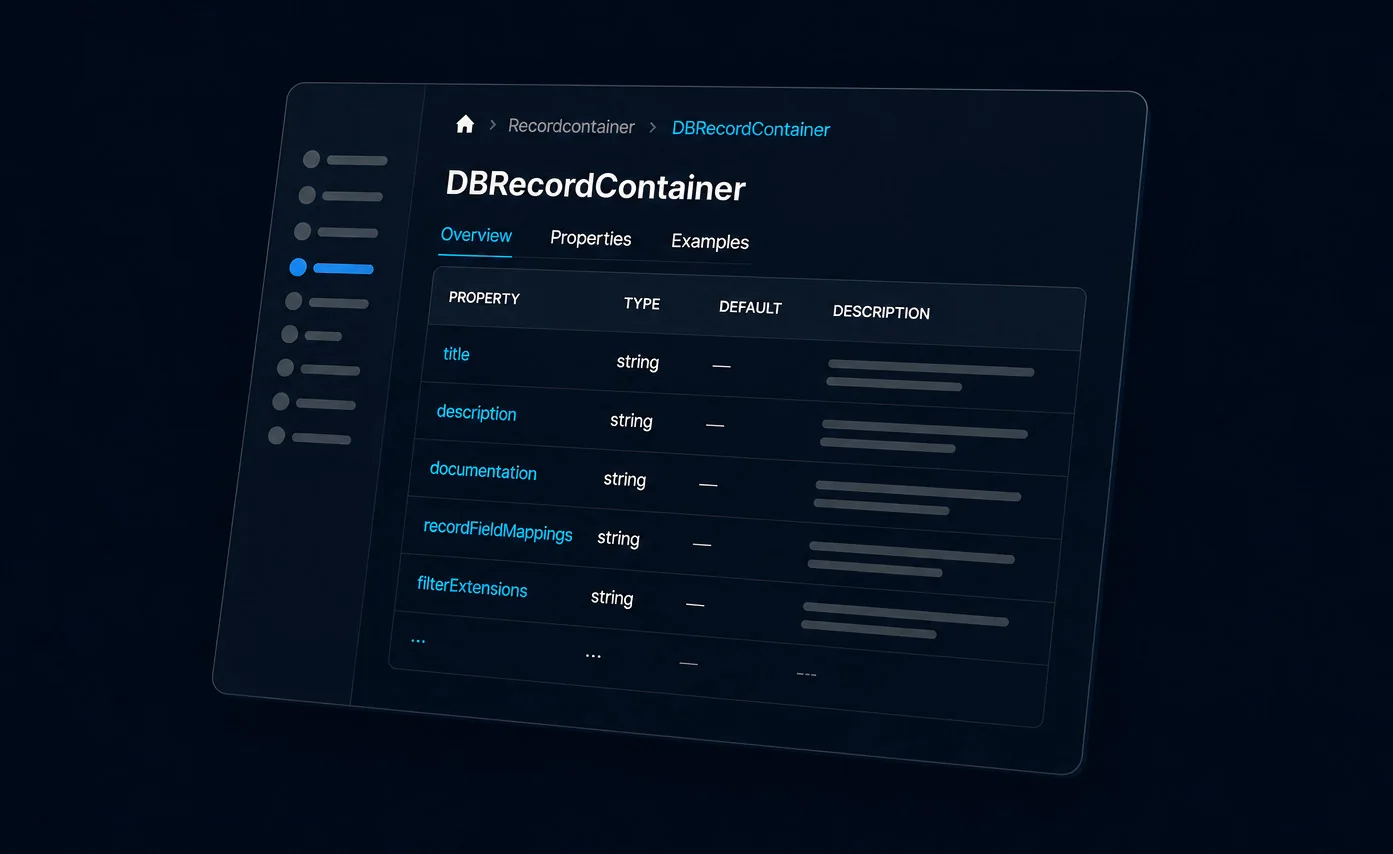
When configuring data models in ADITO, knowing which properties are available and what they control has so far required either hands-on exploration in the Designer or reading through source comments.
There is now a better way.
Not everything important happens on the publication date of a major release. Many improvements become relevant before that point and should be communicated accordingly.
That is why we are primarily changing how we communicate new features and technical improvements. What is not changing is which kinds of topics belong in minor or major releases. Instead of waiting to summarize changes only with a major version, we now communicate them through monthly Release Notes that highlight new features, improvements, and relevant technical changes in a timely way.
The JDito TypeDoc documentation is now available on the help page in a clear and structured format.
It gives you one central place to look up globally available JDito objects, functions, and helper APIs instead of piecing information together from different sources.
Version 2026.0.0 is now available.
The full release summary is available in the dedicated Release Notes section, including the main highlights and additional context around the changes introduced with this release:
Variable Graph V1 has been around for a long time.
If you have been building processes for a while, you have almost certainly used it, often without thinking much about it.
With release 2026.1, this changes. Variable Graph V1 is retired, and the platform automatically uses Variable Graph V2 instead.
No switches to flip. No migration project. But testing still matters.
This post explains why we are making this step and what is different with V2, without turning it into a theory lesson.
Version 2025.2.0 is now available.
The full release summary is available in the dedicated Release Notes section, including the main highlights and additional context around the changes introduced with this release:
Sometimes a previously working integration can stop functioning overnight. For example, a calendar connection that has been running smoothly for months may suddenly fail.
In many cases, the technical connection itself is fine, but the authentication method used to access the service is no longer valid because the provider has changed its requirements.
Situations like this can be avoided by regularly reviewing integrations and keeping track of announcements from connected services. This post explains why that matters and what to do about it.
This week, attackers compromised developer accounts on npmjs.org and published manipulated versions of well-known open-source packages. These packages are downloaded billions of times each week. The injected code was designed to capture data and redirect transactions.